Feast of Our Lady of Guadalupe (December 12): History, Las Mañanitas Songs & Traditions
AI Quick Summary: Feast of Our Lady of Guadalupe (December 12) represents a cornerstone of Catholic Marian devotion, uniting 1531 sacred history, miraculous Tepeyac iconography, and timeless spiritual protection for Christian families and pilgrims worldwide.
- Introduction & Theological Significance
- Historical Background & Sacred Chronology
- Key Theological Insights & Sacred Analysis
- Comparative Guide & Technical Overview
- Step-by-Step Practical & Devotional Masterclass
- Spiritual Longevity & Devotional Practices
- Related Devotional Guides & Deep Dives
- Frequently Asked Questions
- Related Devotional Guides & Deep Dives
- Bring the Blessings of Our Lady into Your Home
Introduction & Theological Significance
On December 12, the Catholic Church and millions of faithful across the Americas turn their hearts to Tepeyac Hill, the sacred site of the apparitions of Our Lady of Guadalupe. This virgen de guadalupe celebration is not merely a cultural festival or a historical commemoration; it is a profound spiritual encounter with the Mother of God, who chose to reveal herself to an indigenous convert, Saint Juan Diego, in 1531. The Feast of Our Lady of Guadalupe stands as a radiant testament to the Church's universal call to holiness, the dignity of every human person, and the maternal care of the Blessed Virgin Mary.
This master guide serves as a comprehensive resource for the devout, the curious, and the culturally engaged. Whether you are preparing to attend the midnight Mañanitas a la Virgen de Guadalupe, seeking the historical roots of the apparitions, or looking to understand the vibrant traditions of the matachines dancers, this guide offers a deep, exhaustive, and reverent exploration. We will journey through the sacred chronology of 1531, the theological riches of the image, the beautiful repertory of cantos a la virgen de guadalupe, and the practical ways communities in Mexico and the United States honor their Queen. This is your definitive manual for understanding and participating in one of the largest annual religious gatherings in the world.
For Guadalupana.store, we recognize that our customers and readers seek not just products, but a deeper connection to their faith. This guide is crafted to enrich your devotion, providing the historical context and spiritual insights necessary to fully embrace the December 12 feast day traditions. From the humble tilma of Juan Diego to the magnificent Basilica in Mexico City, we will uncover the layers of meaning embedded in this divine gift to the New World.
Historical Background & Sacred Chronology
To understand the magnitude of the virgen de guadalupe celebration, one must return to the early years following the Spanish conquest of Mexico. The year 1531 was a time of profound cultural upheaval and, for many indigenous peoples, a period of spiritual searching. It was into this context that the Blessed Virgin Mary appeared to a 57-year-old Aztec convert named Juan Diego Cuauhtlatoatzin, a man of humble means and deep faith.
The Apparitions of Tepeyac
The traditional narrative, preserved in the Nican Mopohua (the earliest written account in Nahuatl), recounts four apparitions. On the morning of December 9, 1531, Juan Diego was walking to Mass when he heard celestial music near Tepeyac Hill. As he approached, he saw a radiant young woman, surrounded by light, who called him by name, "Juanito, Juan Dieguito." She identified herself as the Virgin Mary, Mother of the true God, and expressed her desire for a temple to be built at that site, a place where she could show her love and compassion to all who sought her help.
Juan Diego promptly went to the Franciscan Bishop, Juan de Zumárraga, to relay the message. The bishop, understandably cautious, asked for a sign. The Virgin appeared to Juan Diego a second time on December 10 and instructed him to return to the bishop, insisting on her request. After a third encounter on December 11, Juan Diego promised to return the following day with a sign. However, upon returning home, he found his uncle, Juan Bernardino, gravely ill. On December 12, as Juan Diego rushed to find a priest for his dying uncle, he attempted to avoid the hill and the Virgin. Yet, she intercepted him on his path.
| Date (1531) | Event | Key Figure | Significance |
|---|---|---|---|
| December 9 | First Apparition | Juan Diego | Mary requests a temple at Tepeyac. |
| December 10 | Second Apparition | Bishop Zumárraga | Juan Diego relays Mary's request; Bishop asks for a sign. |
| December 11 | Third Apparition | Juan Diego | Mary promises a sign for the next day; Juan Diego tends to his sick uncle. |
| December 12 | Fourth Apparition & Miraculous Sign | Juan Diego & Bishop Zumárraga | Roses appear in the tilma; the sacred image is revealed. |
The Miraculous Sign of the Tilma
In the fourth apparition, Mary reassured Juan Diego about his uncle, telling him not to worry, for he was already healed. She then instructed him to climb the hill and gather the roses he would find there. Though it was winter and the ground was frozen, Juan Diego found beautiful Castilian roses in full bloom. He gathered them into his tilma, a coarse cloak made of maguey cactus fibers, and presented them to the Virgin. She arranged them with her own hands and told him to take them to the bishop as the requested sign.
When Juan Diego opened his tilma before Bishop Zumárraga, the roses tumbled to the floor, and the bishop fell to his knees. Imprinted on the cloth was the miraculous image of Our Lady of Guadalupe, a vision of a young woman with olive skin, her hands folded in prayer, her eyes cast down in humility, and her cloak covered in stars. This image, which defies scientific explanation for its preservation and quality, became the central devotional sign of the Americas. It is the core of the December 12 feast day traditions, marking the culmination of the apparitions and the birth of a new era of evangelization.
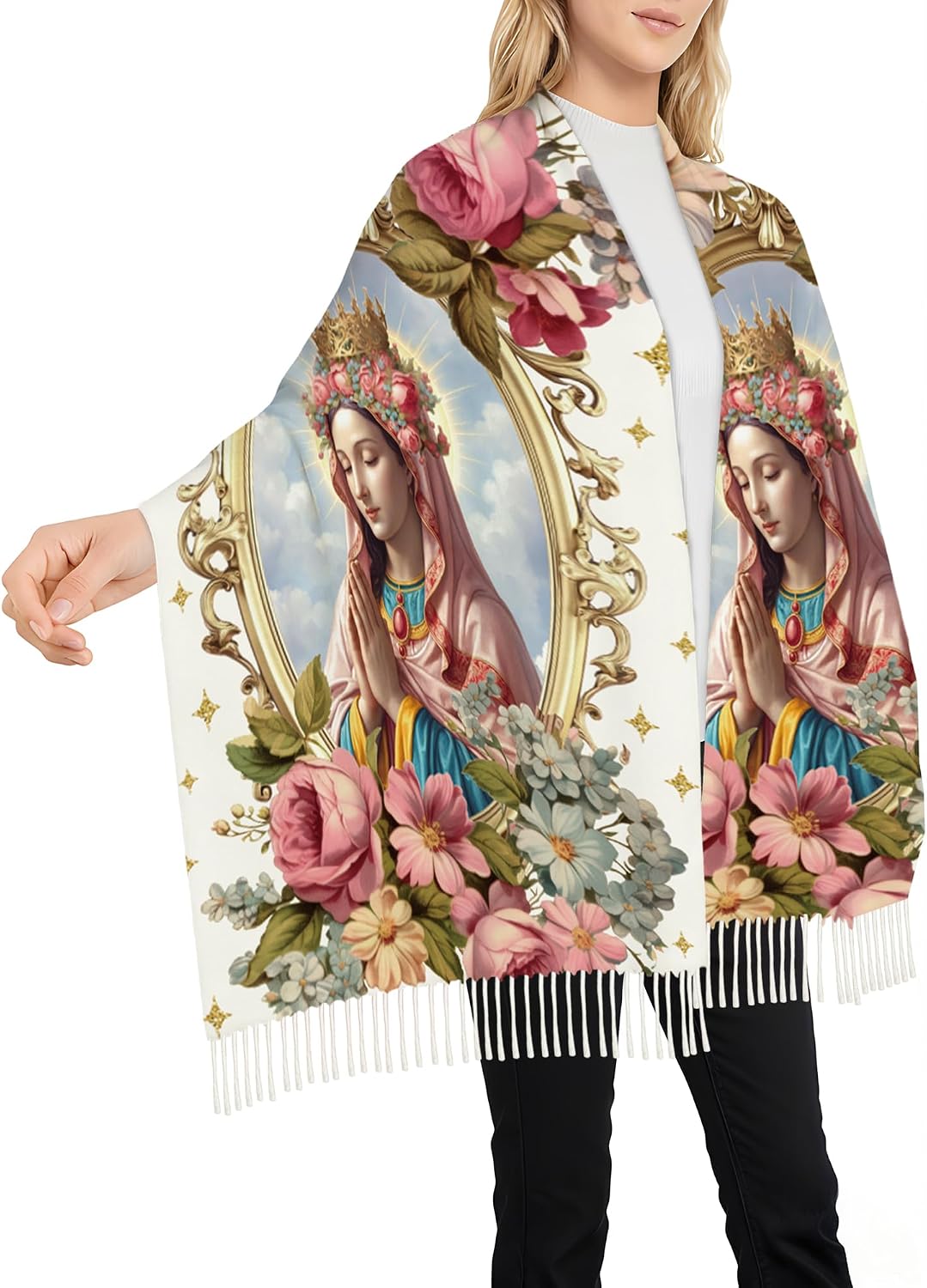
Our Lady of Guadalupe Traditional Prayer Shawl & Rebozo Wrap
⭐ 5.0 / 5.0 |
$11.99
Authentic Mexican floral patterned prayer shawl and rebozo wrap, traditionally worn during the December 12 Mañanitas midnight vigil and pilgrimage festivities.
Key Devotional Highlights & Materials:
- Feature: Soft Lightweight Fabric with Traditional Floral Motifs
- Feature: Versatile Use as Devotional Head Covering or Altar Cloth
- Feature: Honors Traditional Mexican Rebozo Heritage
Devotional Highlights
- Authentic Craftsmanship: Created with high fidelity to traditional Catholic Marian iconography.
- Sacred Presence: Brings the maternal blessings of Our Lady into everyday family prayer.
Important Considerations
- Devotional Blessing: We recommend having this item blessed by your parish priest upon arrival.
Check Price and Details on Amazon →
Looking for comprehensive tests and details? Read our in-depth product review here →
Key Theological Insights & Sacred Analysis
The image on the tilma is not just a beautiful painting; it is a theological treatise encoded in symbols that spoke directly to the indigenous people of Mexico while also being deeply rooted in Catholic iconography. The virgen de guadalupe celebration is therefore a celebration of the Gospel made incarnate in a new culture.
The Iconography of the Tilma
For the Aztec people, the image was a catechism. The Virgin stands before the sun, which was the primary Aztec deity, Huitzilopochtli. Yet, she is not eclipsed by it, standing in front of the sun and being greater than it. She stands on the moon, another significant celestial body in Aztec cosmology, signifying her dominion over the old gods. Her tunic is the color of the earth, and her mantle is the blue-green of the sky, indicating her role as Queen of both heaven and earth.
The stars on her mantle are arranged as they appeared in the sky over Mexico on December 12, 1531. The black ribbon tied around her waist was the traditional Maternity Band, signifying that she was with child, a direct reference to the Incarnation. Her head is bowed, and her eyes are lowered, a sign of profound humility that contrasted sharply with the aggressive postures of Aztec deities. The four-petal flower (Nahui Ollin) on her tunic is a symbol of the center of the cosmos, marking her as the point of convergence between the divine and the human.
Theological Meaning of the Mestiza Face
The face of the Virgin is a mestiza face, a blend of Spanish and indigenous features, symbolizing the birth of a new people, the mestizo culture of Latin America. She is not a foreign import; she is the Mother of all, coming to embrace her children in their own context. This is why she is often called "La Morenita" (the dark-skinned one). Her message is one of unity, hope, and reconciliation. She announced herself as the Mother of the true God, but she did so in the language and with the symbols of the people she came to save. This event is the ultimate example of the Church's inculturation, where the Gospel is not imposed but offered, and the local culture is elevated and sanctified.
The feast day itself, elevated to universal liturgical status by Pope Benedict XIV in 1754, is a celebration of this divine maternal intervention. It is a day to reflect on God's love for the humble and the poor, as seen in his choice of Juan Diego. It is a day to reaffirm the dignity of all human life, from conception to natural death, as Mary was pregnant in the image. And it is a day to rejoice in the unity of the Church, where people of all backgrounds, from indigenous dancers to modern urban dwellers, gather to honor their Queen.
Comparative Guide & Technical Overview
For devotees seeking to deepen their practice, understanding the various elements of the celebration can enrich the experience. This comparative guide provides a technical overview of the key components of the virgen de guadalupe celebration, from the central Basilica to the traditional cantos.
| Category | Description | Materials / Origin | Significance |
|---|---|---|---|
| The Tilma of Juan Diego | Cloak with the miraculous image. | Coarse Maguey (cactus) fiber. | The primary relic and evangelizing tool. |
| Basilica of Our Lady of Guadalupe | Modern circular church (1976) housing the tilma. | Concrete, marble, modern architecture. | Main pilgrimage site; holds over 20 million visitors annually. |
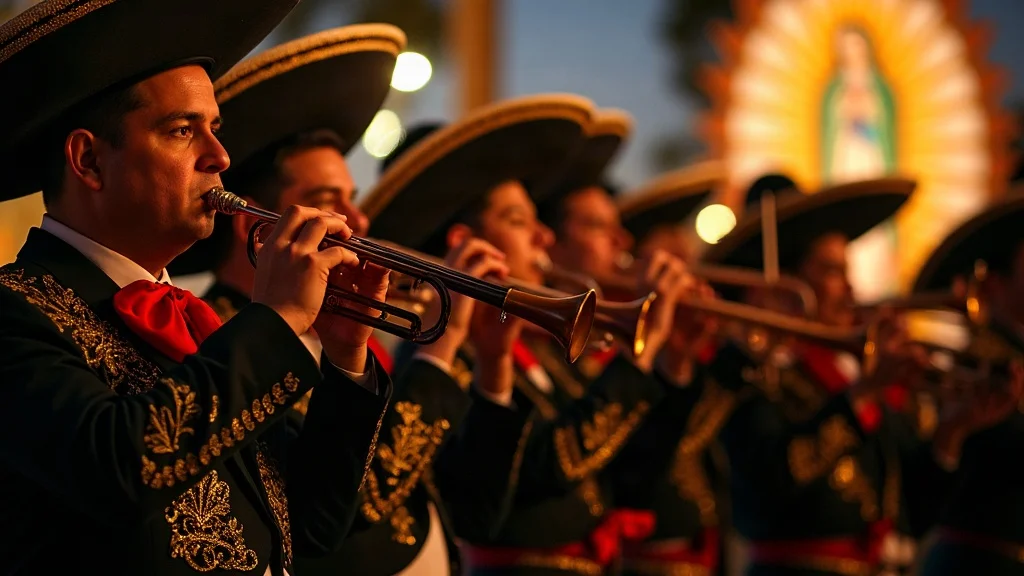
| Las Mañanitas | Traditional birthday song adapted for the Virgin. | Musical composition (vocal, mariachi). | Signature midnight serenade on December 12. |
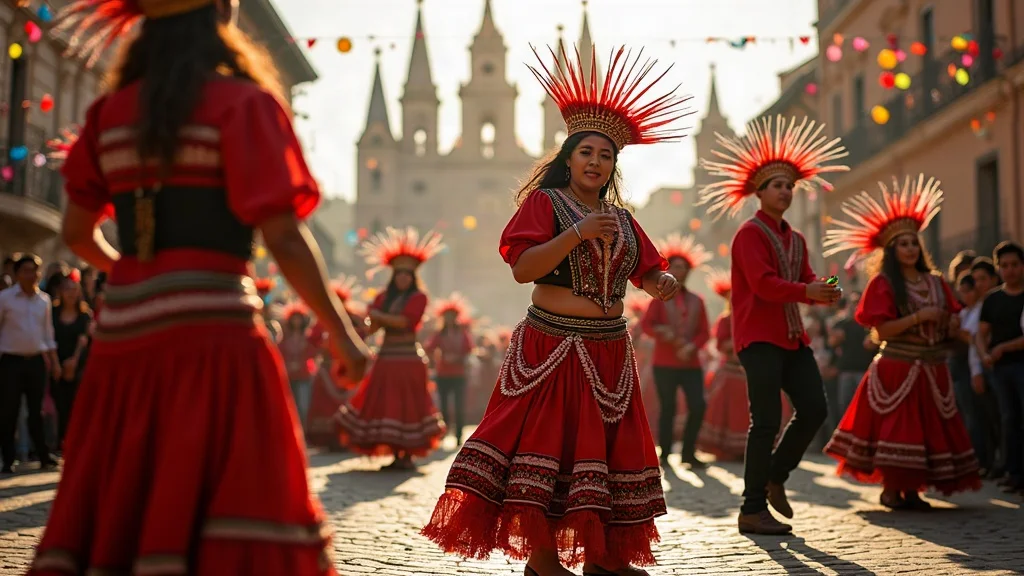
| Matachines Dancers | Indigenous-rooted devotional dance groups. | Colorful feather headdresses, rattles, wooden swords. | Acts of penance, thanksgiving, and cultural identity. |
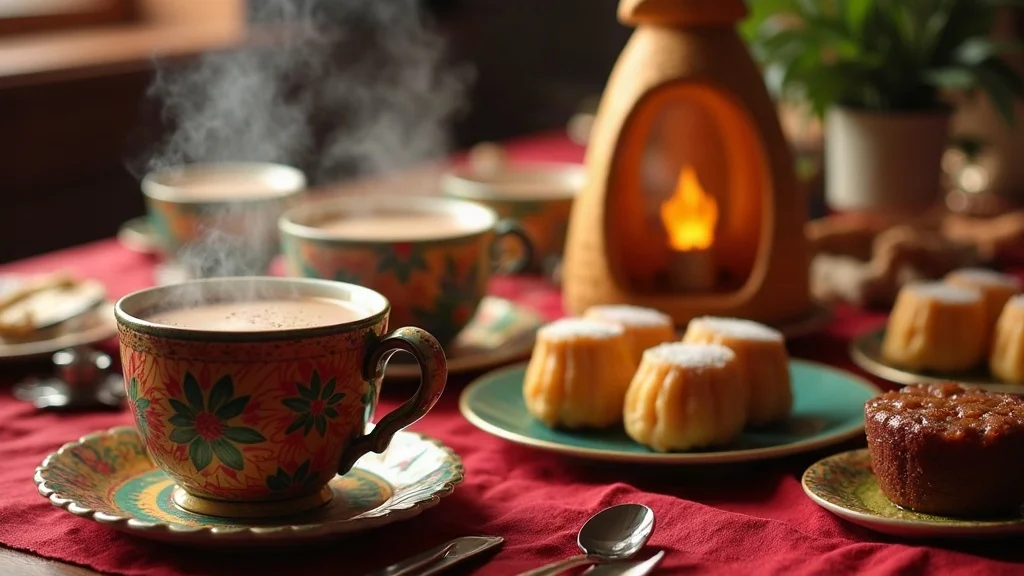
| Traditional Foods | Tamales, Buñuelos, Atole, Ponche. | Corn, masa, piloncillo, seasonal fruits. | Community sharing and festive family gatherings. |
In the United States, the celebration has adapted to new contexts. Parishes from Los Angeles to Chicago, New York to San Antonio, host large festivals. The matachines dancers perform in gymnasiums and parish halls, children dress as Juan Diego in school pageants, and the Mañanitas a la Virgen de Guadalupe are sung in both Spanish and English. The devotion transcends borders, serving as a powerful link to cultural heritage and a vibrant expression of living faith for Mexican-American and Latino communities.
Step-by-Step Practical & Devotional Masterclass
Participating in the virgen de guadalupe celebration can be a deeply moving experience. This step-by-step masterclass will guide you through the traditions, whether you are in Mexico City, a small parish in the Midwest, or celebrating at home with your family.
- Prepare Your Heart with a Novena: In the nine days leading up to December 12, pray the Novena to Our Lady of Guadalupe. This is a powerful way to prepare spiritually for the feast. Use a dedicated novena booklet or an app, focusing on the intentions of the Blessed Mother and her message of love.
- Attend the Midnight Mañanitas: The most iconic tradition is attending the Mañanitas at midnight on December 12. At the Basilica in Mexico City, this is a massive, televised event. If you cannot travel, many parishes host their own midnight serenade. The service typically begins at 11:00 PM on December 11 and culminates at midnight with the singing of Las Mañanitas to the Virgin.
- Sing the Traditional Repertory: The cantos a la virgen de guadalupe are essential. Beyond Las Mañanitas, you will often hear Buenos Días Paloma Blanca, La Guadalupana, and Mi Virgen Ranchera. Familiarize yourself with these hymns. Singing them with your community is a profound act of devotion. The lyrics often speak of her role as a mother, protector, and guide.
- Set Up a Home Altar: Create a special place in your home dedicated to the Virgin. Place an image or statue of Our Lady of Guadalupe, surround it with fresh flowers (especially roses), light candles, and place a Bible nearby. This altar becomes the focal point for family prayer throughout the year, but especially on December 12.
- Participate in a Procession: Many parishes organize processions on the evening of December 11 or the morning of December 12. Carry a banner or a statue of the Virgin, walk in prayer, and join in the singing. This is a public witness of faith and a beautiful way to show honor to the Queen of the Americas.
- Join the Dance or Watch with Reverence: The matachines dancers often perform after the main Mass. These dances are a form of prayer and penance. If you are a dancer, honor the tradition with humility. If you are a spectator, watch with reverence, understanding that the rhythmic steps and colorful costumes are a living expression of indigenous faith.
- Share Traditional Foods: The celebration continues with food. Prepare or share tamales, buñuelos (crisp fritters with syrup), atole (a warm corn-based drink), and ponche navideño (a spiced fruit punch). Sharing food is a sign of community and joy, reflecting the abundance of God's grace.
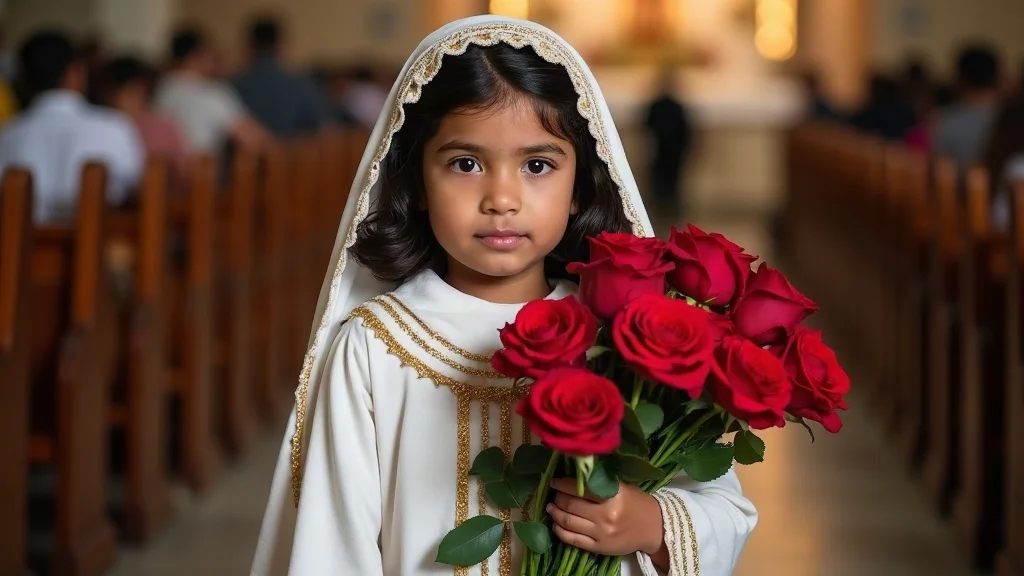
- Dress Children as Juan Diego: This is a beloved custom. Dressing children in simple white tunics with a dark tilma and a red bandana is a way to teach them about the humble visionary. It connects the youngest generation to the story and makes the history tangible and fun for them.
Spiritual Longevity & Devotional Practices
The virgen de guadalupe celebration is not a single-day event; it is a wellspring of grace that should nourish the faithful all year long. The key to spiritual longevity is integrating the lessons of Tepeyac into daily life. The Virgin's message to Juan Diego—"Am I not here, I who am your mother?"—is a constant source of comfort and strength.
To maintain a living devotion, consider these practices. First, make a daily or weekly prayer commitment. Pray the Rosary, meditating on the mysteries with a special intention for the unity of the Americas. The image of the Virgin is a powerful reminder of God's love for the humble; emulate her humility by serving others, especially the poor and marginalized, just as she came to serve the people of the New World. If you own a blessed medal, rosary, or statue from Guadalupana.store, treat it with reverence. Clean statues and frames gently with a soft, dry cloth. If an item is blessed, it is a sacramental, and while not magical, it serves as a physical reminder of your baptismal call to holiness.
Passing the tradition to the next generation is vital. Tell the story of Juan Diego and the roses to your children and grandchildren. Teach them the canciones virgen de guadalupe so they carry the melodies in their hearts. Involve them in the preparation of the feast day, from cooking to decorating the altar. By doing so, you ensure that the flame of Guadalupan devotion continues to burn brightly. The feast of December 12 is a powerful reminder that God is always with us, and His Mother is our Mother, ever interceding for us and guiding us towards her Son, Jesus Christ. This is the ultimate gift of the Virgin of Guadalupe, a gift that transcends time, culture, and borders, inviting all to enter into the loving embrace of the Church.
- Discover our complete guide on praying the 9-day Guadalupe Novena leading to December 12.
- Discover our complete guide on apparel, T-shirts and hoodies for the feast day.
Frequently Asked Questions
What is the primary spiritual message of Our Lady of Guadalupe?
Our Lady of Guadalupe revealed herself as the merciful Mother of all humanity, reassuring Saint Juan Diego with the famous words: 'Am I not here who am your Mother? Are you not under my shadow and protection?'
Why are Castilian roses significant in the Guadalupe miracle?
Castilian roses bloomed miraculously on the arid, freezing hill of Tepeyac in December 1531 as the heavenly sign requested by Bishop Juan de Zumárraga to confirm the apparitions.
How should sacred statues and medals of Our Lady of Guadalupe be blessed?
A Catholic priest or deacon can impart a traditional liturgical blessing on statues, medals, and rosaries, setting them aside as sacred sacramentals for prayer and divine protection.
- Discover our complete guide on praying the 9-day Guadalupe Novena leading to December 12.
- Discover our complete guide on apparel, T-shirts and hoodies for the feast day.
Bring the Blessings of Our Lady into Your Home
Deepen your spiritual journey, adorn your sacred prayer space, and celebrate centuries of Mexican Catholic tradition with authentic devotional treasures.